
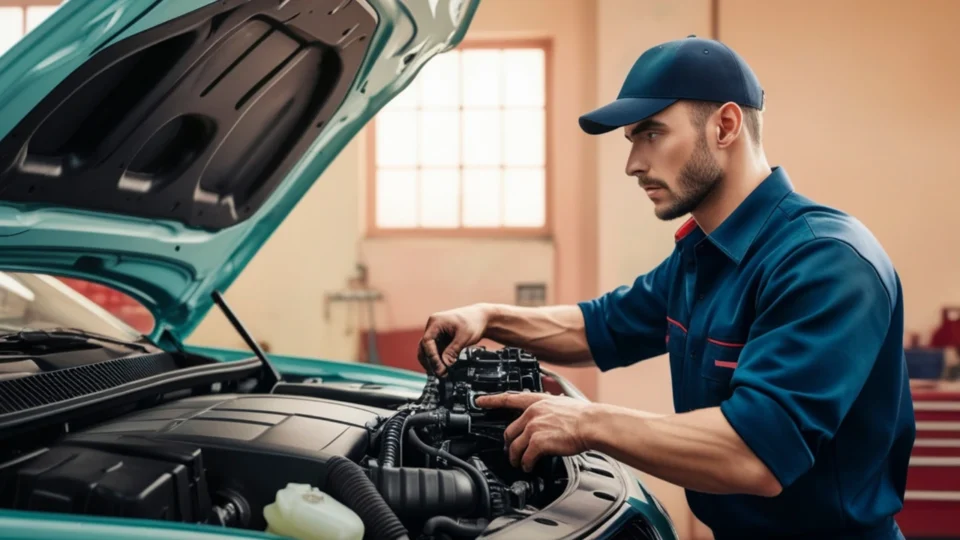
Car enthusiasts want more than a place to park their prized vehicles. They’re craving spaces where gearheads can sip coffee and swap stories about horsepower and custom builds. Traditional garages just don’t meet the mark anymore.
Mixing car culture with café vibes isn’t as wild as it sounds. Adding coffee bars to garages has become a growing trend among hobbyists who value community over solitude. This blog will explain why these spaces are becoming popular, how they work financially, and what makes them so appealing.
Prepare for ideas that might just inspire your next passion project!
The Appeal of Combining Cars and Coffee
People love connecting over shared hobbies, and cars and coffee make the perfect combination. These spaces bring enthusiasts together for great conversations and a caffeine boost while surrounded by impressive machines.
A shared passion for car culture and caffeine
Coffee energizes conversations; cars spark passions. Together, they create a lively space for enthusiasts to bond over shared interests. Whether it’s discussing engine improvements or enjoying specialty brews, the mix of automotive culture and café vibes fuels endless dialogue.
“Great coffee and fast cars bring people together like nothing else.” These hubs cater to hobbyists seeking connection beyond car meets. They encourage teamwork, personalization, ideas, and friendships within an inviting community.
Creating a unique social hub for enthusiasts
Car enthusiasts crave spaces that combine passion and connection. By merging a garage with a café, business owners create spots where people bond over cars and caffeine. These combined venues turn simple meetups into thriving social experiences.
Events like car shows or restoration workshops increase foot traffic and invigorate the community. Offering comfortable seating, excellent coffee, and displays of custom vehicles creates an appealing space for hangouts. This balance nurtures both personal connections and recurring visits from automotive fans.
Designing the Perfect Garage Coffee Bar
Focus on creating a space that’s both practical for auto work and inviting for coffee lovers. Thoughtful planning can make it functional without sacrificing charm.
Essential features for a functional setup
A garage coffee bar must balance practicality with style. It needs to cater to both car enthusiasts and coffee lovers without compromising on functionality.
- Install durable flooring that can handle heavy vehicles, spills, and foot traffic. Concrete with a polished finish works well for easy cleaning and long-term use.
- Equip the space with ample lighting for both cars and social areas. Overhead LED lights brighten workspaces, while warm-toned fixtures create a cozy café atmosphere.
- Design dedicated parking spaces to feature vehicles during events or meetups. Arrange these spots strategically near seating areas for added visual appeal.
- Set up proper ventilation systems to manage coffee aromas and automotive fumes effectively. This ensures safety while maintaining air quality inside the space.
- Add versatile furniture like industrial-style tables and stools that fit both a garage vibe and coffee shop comfort. Choose sturdy pieces yet inviting for gatherings.
- Create storage solutions using wall-mounted cabinets or tool racks to maintain cleanliness and organization in compact spaces.
- Install a small yet efficient espresso station featuring commercial-grade equipment to serve quality drinks quickly during busy hours.
- Maintain enough power outlets around the area for charging devices, operating tools, or running additional lighting during evening events.
- Include signage or decor highlighting automotive culture, such as framed prints of classic cars or vintage license plates, to enhance the theme.
- Provide accessible restrooms equipped with necessities like sinks and mirrors for convenience during large meetups or extended stays at the café section.
Efficient layouts improve customer experience while supporting business operations effectively in this dual-purpose venue.
Blending aesthetics with practicality
Combining functionality with style can change a typical garage into a stunning coffee bar. Adding sleek display shelves for automotive parts alongside espresso machines makes the space both efficient and visually appealing. Choosing durable, easy-to-clean floors helps handle oil spills while maintaining a polished look.
Custom lighting emphasizes cars on display while setting the perfect mood for coffee lovers. “A well-designed space invites people to stay longer,” says car enthusiast Laura Mills, owner of Drift Café Garage. Mixing industrial materials like steel with warm wood finishes balances ruggedness and comfort effortlessly.
The Business Side: How the Numbers Work
Setting up a garage coffee bar requires careful planning and budgeting. Owners must balance startup costs with potential income from drinks, events, and merchandise.
Initial investment and setup costs
Before diving into setup costs, it helps to understand how café-style businesses typically perform financially. Looking at benchmarks like the average restaurant profit margin gives prospective owners realistic expectations for what the coffee side of a garage café can contribute to overall revenue.
| Expense Category | Estimated Cost Range | Details |
| Space Rental or Purchase | $2,000 – $10,000/month | Varies by location size and city. Industrial areas often cost less. |
| Renovation & Interior Design | $15,000 – $50,000 | Covers flooring, painting, lighting, and seating areas. |
| Coffee Equipment | $5,000 – $20,000 | Includes espresso machines, grinders, and brewing tools. |
| Garage Tools and Supplies | $10,000 – $25,000 | Lifts, toolkits, storage, and detailing essentials. |
| Permits and Licenses | $500 – $2,500 | Covers health, food service, and zoning approvals. |
| Staffing Costs | $3,000 – $8,000/month | Staff salaries for baristas, mechanics, and management. |
| Marketing & Signage | $2,000 – $10,000 | Includes online ads, social media, and local promotions. |
| Utilities and Operational Supplies | $1,500 – $4,000/month | Electricity, water, coffee beans, and cleaning materials. |
The costs might seem significant for new owners, but allocating resources wisely can lead to consistent profitability. Careful preparation is key to reducing uncertainties.
Revenue opportunities: coffee sales and events
Operating a garage coffee bar offers more than just caffeine and car chatter. These spaces create revenue streams that cater to automotive enthusiasts while fostering a sense of community.
- Coffee sales provide a consistent daily income. Offering quality brews attracts repeat customers, especially during morning and weekend rushes.
- Holding car-themed events generates additional profits. Monthly meetups, restoration demos, or launch parties can draw large crowds willing to pay entry fees.
- Selling branded merchandise expands earnings further. T-shirts, mugs, and stickers resonate with passionate car lovers.
- Renting out space for private functions brings in extra cash flow. Businesses and individuals may seek venues with character for gatherings.
- Partnering with local vendors adds variety and shared revenue opportunities. Food trucks or specialty shops can rent booth space during busy days.
- Offering sponsorships from automotive brands increases visibility while covering costs. Companies looking to promote new products often pay to advertise at well-attended events.
- Expanding into takeaway options increases customer convenience compared to dine-in only services. Grab-and-go coffee or snacks keep sales steady during quieter periods.
Success Stories of Garage Coffee Bars
Some garage coffee bars have become the heartbeat of their neighborhoods, drawing in car lovers and caffeine fans alike. Their founders turned simple ideas into thriving spaces where engines hum, and conversations flow.
Notable examples of thriving spaces
Garage Collective in Austin, Texas, has become a popular destination for automotive enthusiasts. It features a stylish coffee shop paired with lively car meetups every weekend. They organize events such as restoration workshops and classic car displays to attract new visitors consistently.
Clutch & Coffee in Los Angeles gained recognition by pairing high-quality espresso with detailing services. Its monthly events highlight local car culture and provide networking opportunities for small business owners in the community.
Building community through shared interests
Car enthusiasts rally around shared passions, and combining garages with coffee bars strengthens those bonds. These spaces offer more than just caffeine; they create a relaxed environment to talk shop, display custom builds, or plan group rides. Coffee fuels conversations that lead to connections, making every meetup meaningful.
Events like themed nights or restoration workshops turn these garages into social hubs. Owners attract hobbyists who value both quality brew and car culture. This setup builds loyalty while helping businesses grow through repeat visits and event-driven sales streams.
Conclusion
Cars and coffee create a blend that fuels passion and connection. These spaces go beyond garages, turning into hubs where enthusiasts bond over shared interests. With smart planning and an eye on numbers, these ventures can thrive as both businesses and communities.
