
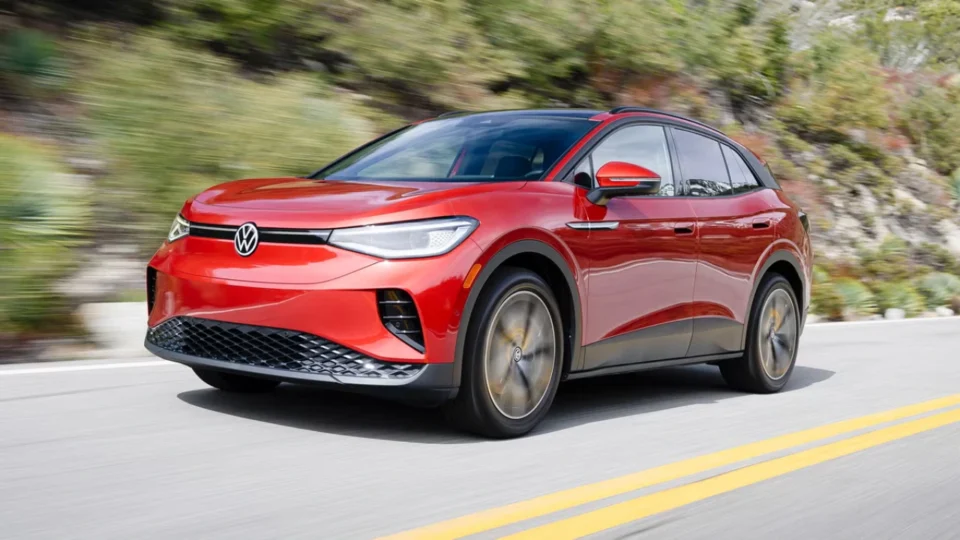
Unlike traditional gas cars, electric vehicles have different maintenance requirements. As VW’s introduction to the mainstream electric vehicle market, the Volkswagen ID.4 presents its owners with new considerations regarding maintenance.
To understand these differences helps prevent common unintended errors that could further damage the car and shorten its longevity.
Battery and charging system care
The battery pack is the most costly part in any electric car. It has long been known that EVs charged up to 100% and stayed at 100% frequently or for extended periods suffered higher battery degradation rates than those charged to between 20% and 80% capacity. For ID.4 owners, that means regulating your charging habits based on the distances you travel day to day, rather than charging it every night. Extreme temperatures also significantly impact battery operation.
You should also periodically inspect the vehicle’s charging port and onboard charger. Regularly check the charging port for dirt, dust, or moisture and clean it if necessary. Keeping the connector pins free of debris helps maintain a solid electrical connection and prevents charging faults or intermittent charging issues.
Brake, tire and cooling maintenance
With regenerative braking, the ID.4 uses its physical brake system much less than a regular gas-powered SUV does. In day-to-day driving, this can extend brake pad life significantly beyond the 80-100,000 miles mark, compared to 30–40,000 miles in many traditional internal-combustion vehicles.
What you give up, however, is the brakes are never used enough to keep the rotors clean, and if the car is driven gently all the time, rust can develop on the plates. Occasional firm braking in safe conditionson the street keeps everything functioning properly.
Tires are subject to a different kind of stress. With a curb weight of around 4,500 pounds, the ID.4 puts more stress on its tires than the average similar-sized gas SUVs. And that extra weight can accelerate uneven wear when you toss in instant electric torque, as well. Rotating the tires every 6,000 to 8,000 miles helps prolong tread life and ensure even driving.
Regularly check the cooling system for proper frost protection and coolant levels, and replace coolant when required to ensure reliable temperature control and protection of the battery, motor, and power electronics.
Software and electronics
Today’s EVs are as much software as they are mechanical, controlled by computers that manage things like battery operation and driver assistance systems. Volkswagen already sends over-the-air updates for performance improvements and bug fixes.
Driver assistance features need to be calibrated from time to time particularly after windshield replacement or front end repairs. The forward-facing camera and radar sensors require calibration to be in the right place for systems like lane keeping and automatic emergency braking to work as designed.
In crucial but easy-to-solve situations, Volkswagen repair manuals can guide owners through the process. These manuals are designed to be easy to understand, allowing owners to solve problems they may not have been aware of.
