
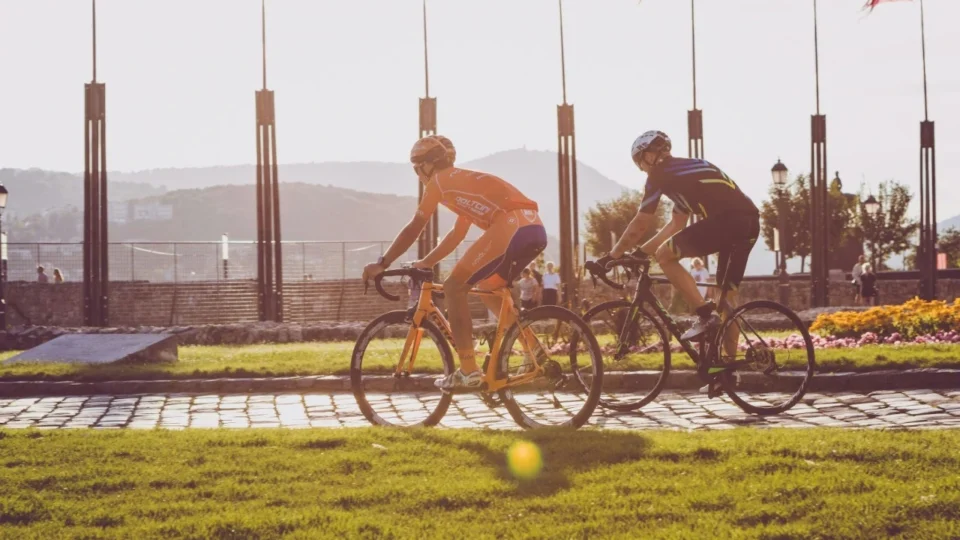
Cycling has woven itself into the fabric of Glendale’s daily life. But as bike traffic intensifies, so do the dangers. What’s leading to this rise in accidents, and how can legal support make a difference for injured riders?
Why Glendale Remains a Hard City for Bicyclists
Being one of the large metropolitan cities, Glendale must address all the common issues common in the rest of California State: traffic jams, insufficiency of bike-friendly lanes, tricky intersections, and motorists that are not necessarily courteous to cyclists. Although the authorities have invested in bikeway infrastructure within the area in recent years, the statistics remain alarming. In the year 2024, over 1,400 injured bicycle riders were reported in Glendale and Maricopa County, with over 40 of them being killed.
Very frequently, there are medical expenses, lost earnings, and insurance pressures that hit cyclists; this will make the assistance of Glendale bicycle accident lawyers indispensable. These professionals are well aware of all local peculiarities: they know where accidents take place more frequently, the work of local courts, the tricks employed by insurers, and how to collect evidence before it is lost.
They handle:
- Case evaluation and evidence collection;
- Negotiate with insurance companies to prevent underpayment.
- Preparation and filing of all necessary documents;
- Appearance in court if the case cannot be settled;
- Monitoring deadlines, ensuring procedural compliance.
Their practice is based on the “no win — no fee” principle: you don’t pay any money for their services until your compensation is received, which can ease the financial burden and enable you to focus on your recovery. Many attorneys also provide free consultations, wherein you can present your case with no financial risk; this support often develops into a turning point in ensuring justice in the form of fair compensation.
Local Statistics and Main Causes of Accidents: What the Numbers Say
The data that can be used to understand why Glendale sees so many bicycle accidents should come from the latest information and local reports. According to CATSIP and City Police, over the last three years, the number of serious injuries and cyclist deaths increased by 12 percent in Maricopa County compared with the prior period.
The basic causes of accidents are:
- Traffic offenses by drivers: inattention, overspeeding, so-called dooring (opening car doors to a bicycle rider in their path);
- Bad paving, which lacks stripping;
- Lack of visibility due to bad weather, especially at night;
- Errors committed by the cyclist: riding opposite to traffic, neglecting to signal, and neglecting the law.
The largest number of accidents is recorded during the day and in the evening when the traffic load is the most, and at times when vision is usually hampered by the glare and congestion. The most dangerous of the intersections include those in the City of Glendale, in Downtown, and along Brand Blvd, in which the greatest number of collisions have also been registered.
It is of note that already city officials, along with local civic organizations, are working on means for reducing the number of accidents and achieving a more adequate bike-traveling infrastructure:
| Initiative Name | Description |
| Glendale Family Bike Ride | Annual event promoting safe cycling |
| Vision Zero Action Plan | Program aimed at eliminating road fatalities |
| Safe & Healthy Streets Plan | Measures to improve infrastructure and educate road users |
| Be Street Smart Glendale | Educational campaigns for both children and adults |
| Expansion of bike lane networks | Installation of new traffic signals at hazardous intersections |
These projects are making the city safer; more importantly, they provide additional leverage for attorneys when reviewing accident cases — if infrastructure fails to meet standards, it can become grounds for a claim against the municipality.
What to Do After an Accident and Why “Fair” Insurance Is a Myth
The immediate actions that you take after an accident may spell out the difference in your case. The following is what attorneys suggest:
- Examine yourself and seek medical attention, even when the injuries seem slight;
- Record the incident: photos, videos, contact information of witnesses, plate numbers;
- Do not negotiate about the accident with the driver, or admit responsibility at the scene;
- Never hesitate to call the police and request a copy of the report;
- Retain all medical records, receipts, and notes relative to missed working days;
- Contact the bicycle accident lawyers before you speak with the insurance company.
All of this is important because California adheres to the principle of “pure comparative negligence”; a cyclist could be partially at fault yet still recover compensation. BUT the payout is reduced proportionally to the degree of fault, though full denial is possible only if the fault is 100%.
Classic setup: the driver doesn’t yield, and the cyclist has no light. The blame? Split — 20 percent on the rider, 80 percent on the driver. Total damages hit $100,000; the payout lands at $80,000. Then come the insurers, dragging their feet for months, demanding stacks of paperwork, requesting inflated documentation, offering “quick” deals that barely cover half the costs, and throwing in more red tape.
And it works. People without legal backup take the bait, sign off, and walk away from tens of thousands they could’ve claimed. No appeals, no second chances. Just silence, and a check that doesn’t even touch the hospital bills.
Often victims also commit a series of common mistakes that later make it difficult to receive compensation: failing to go for immediate medical treatment after the accident, failing to document the scene or collect contacts with eyewitnesses, accepting “quick” settlements from the insurer without consulting a lawyer, admitting fault at the scene or during questioning, and losing or failing to preserve documents proving damages.
Conclusion: Why a Smart Strategy Is the Key to Justice
Glendale bicycle collisions represent more than statistics: real stories of individuals pressured by bureaucratic procedures, insurance, and the effort to prove one’s case. Each case is different, and the particulars of locality, the law system of California, and the infrastructure.
Therefore, when using a bicycle and you or your loved ones have been in an accident, do not delay seeking professional assistance. The faster you get the professionals in, the better your likelihood of getting not only compensation but also the peace of mind to go by.
